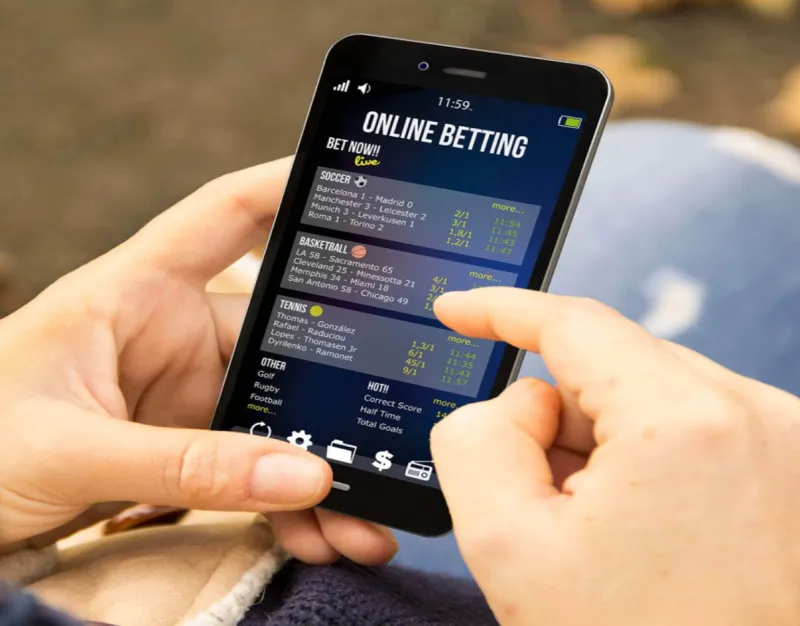
Fifty Free Spins to Win You Back: What Happens When the App Notices You've Gone Quiet

Photo: Photograph by Mike Peel (www.mikepeel.net)., CC BY-SA 4.0, via Wikimedia Commons
It arrived on a Tuesday evening, roughly nineteen days after I'd last opened a certain casino app. Not an email — those get filtered. A push notification, sitting on my lock screen between a WhatsApp message from my sister and a delivery update.
"We've saved something special for you. 50 Free Spins, no deposit needed. Don't leave it too long!"
Don't leave it too long. Charming. The app had noticed I'd stopped putting money in, worked out roughly how long I usually lasted before returning, and timed its little guilt-trip to land just before I'd have come back on my own. That's not a friendly nudge from a brand that cares. That's a re-engagement campaign, and it's one of the most finely-tuned machines in the online gambling industry.
The Silent Treatment Works Both Ways
Here's the thing most players don't clock: the moment you stop depositing, you become a data point in someone's churn model. Churn, in marketing-speak, just means players drifting away. And drifting players are expensive — it costs far more to recruit a fresh depositor than to reactivate a lapsed one, which is why the win-back offer exists at all.
The pattern is remarkably consistent across UK-facing operators. First comes the soft touch: a generic "fancy a flutter?" notification a few days after you go quiet. Then the personalisation kicks in — free spins on a game you actually played, because someone's analytics dashboard knows you spent forty quid on it in March. Then, if you're still stubborn, the escalation: deposit matches, cashback, the occasional "VIP host" appearing in your inbox like a long-lost mate.
I've had a bloke called Darren email me three times in a week to tell me my "exclusive rewards tier" was about to expire. Darren and I have never spoken. Darren doesn't exist, or at least not in the way the email implies. He's a template with a merge field where my name goes.
Why the Timing Feels Spooky
The reason these messages land when they land is that operators track your personal rhythm. If you typically deposit on Friday nights after payday, the win-back prompt won't arrive on a Wednesday morning. It'll arrive Thursday teatime, just as the weekend itch starts. If you've been quiet for exactly as long as your historical average gap between sessions, the notification pounces right on schedule.
It's the same logic as a supermarket texting you about biscuits you buy fortnightly, except the product is a game engineered around parting you from money, and the offer is designed to make the return trip feel like your idea.
That's the clever bit, psychologically. "Here's 50 free spins" doesn't feel like marketing — it feels like the house doing you a favour. But a no-deposit free spins offer is one of the cheapest customer acquisitions going. The spins carry a wagering requirement, the max win is capped at a tenner or so, and the operator knows the majority of claimants will top up their balance once the spins run dry. The bonus is the trapdoor; the deposit is the drop.
Reading a Win-Back Offer Properly
None of this means every re-engagement bonus is a dud. Some are genuinely decent bits of value, especially for players who were going to have a modest flutter anyway. The trick is reading them cold, not warm. A few things to check before you tap through:
- Wagering requirements. Fifty spins at 40x wagering on winnings is a very different animal from fifty spins on your own balance with no strings.
- Game restrictions. Often the spins are locked to one specific slot — usually one with a healthy house edge.
- Max conversion. Plenty of no-deposit offers cap what you can withdraw from them. If it's £10, that's the real value of the "special gift."
- Expiry windows. Seven days is common. The countdown is deliberate; urgency shortens the gap between thinking about it and depositing.
- The small print on future marketing. Claiming a bonus often resets your position in the promotional cycle, meaning more contact, not less.
Taking Back the Notifications
If the whole thing grates on you, the remedy is refreshingly blunt. Every UK-licensed app lets you switch off push notifications in your phone settings, and most operators let you opt out of marketing contact separately in your account preferences — worth doing both, because the checkbox for "offers and promotions" is usually ticked by default and buried two menus deep.
For anything more serious, the UK's self-exclusion tools exist precisely for this. GamStop covers all GB-licensed operators at once, and unlike a marketing opt-out, it can't be undone with a tap. There's a real line between an app being a bit pushy and an app chasing someone who's asked it to stop — and if you've crossed into asking it to stop, use the proper tools rather than relying on willpower against a notification engine built by people with far more data than you.
The Offer Isn't Going Anywhere
The oddest part of writing this piece is that I still understand the appeal. The "we miss you" message works because it flatters — the house noticed, the house cares, the house is offering. But once you've seen the machinery, it's hard to unsee it. Every free spin that lands in your inbox was sent by a system that calculated exactly what it would cost to get you back, and decided you were worth it.
Take the spins if the terms are fair and you fancy it. Just do it with your eyes open, and maybe with notifications off. Darren will email either way.