A Tenner on the Telly: Why the Best Bets Are the Ones You Actually Watch
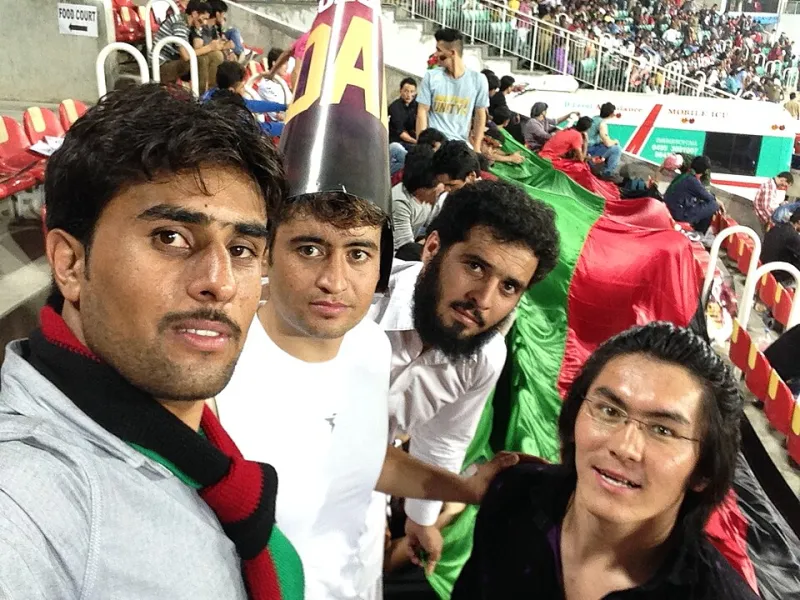
Photo: Ajazulhaq Afghan and my friends watching India vs Afghanistan final match of football in kerla India, CC BY-SA 4.0, via Wikimedia Commons
There's a particular kind of arithmetic that never makes it into any betting guide. It's the maths of what a bet actually bought you — not what it paid, but what it gave you along the way.
The £50 Bet You Forgot You'd Placed
We've all done it. Stuck fifty quid on some midweek European fixture at 8:55pm because the odds looked generous, then wandered off to make a brew, checked the phone once at half-time, and discovered by morning you'd either won or lost — you genuinely can't remember which without opening the app.
Compare that with the two quid in-play bet you put on the underdog at the pub while your mate argued about the referee. Suddenly you're leaning forward. Every corner matters. Every goal-kick is a small personal event. When it lands — and sometimes it does — you're up off the stool, and the round of drinks costs more than the winnings.
One of those bets was worth more than the other. It wasn't the bigger one.
Entertainment Value Is Still Value
Here's the thing the purists get wrong: if you go to the cinema, you don't demand a refund because the ticket price didn't generate a return. You paid for two hours. A well-chosen small bet on a match you're genuinely watching works the same way. Two quid to convert 90 minutes of someone else's game into something with personal stakes? That's arguably the cheapest entertainment in Britain that isn't a library.
The trick is being honest about the exchange rate. If a £2 bet buys you a full evening of engagement, brilliant. If a £50 bet buys you a glance at your phone in the queue at Greggs, you've paid cinema prices for a poster.
The Obvious Trap (Because There's Always One)
Now the health warning, because this logic has a dark side and we'd be negligent not to point at it.
"It was worth it for the buzz" is exactly the sentence that turns a fun flutter into a problem. The chase merchants of this world — and you'll know one, or be one — have been using entertainment value as a justification since time immemorial. "Had to get something on it to make it interesting" is fine at £2. It is not fine at £200 because Tuesday was a bit flat.
The rule we'd suggest: the entertainment budget is fixed, not elastic. Decide what a match's worth of fun costs you — for most people that's the price of a pint, maybe two — and never let the excitement invoice you for more. The moment the bet becomes necessary to enjoy the game rather than a bonus on top of it, the transaction has gone wrong.
A Rough Ranking of Bets by What They Actually Deliver
Not remotely scientific, but see if this matches your experience:
- The pub in-play punt (£1–£5): Elite entertainment per pound. You're watching anyway; this just turns the volume up. Best value in betting, full stop.
- The acca you track all afternoon: Genuinely engaging, occasionally devastating in the 94th minute, but you get a full day's drama for a few quid. Good value.
- The big pre-match bet on a game you're not watching: Poor. All the risk, none of the ride. You've essentially bought a lottery ticket with extra steps.
- The bet placed purely to have money on something, anything: This isn't entertainment, it's an itch. Worth noticing when you're doing it.
Judging Your Year in Bets Differently
Next time you look back at your account history, try a different sort of audit. Ignore the profit and loss column for a minute and ask a simpler question: which bets do you actually remember?
If the answer is the £2 that made the Cup tie worth shouting at, and the £80 accumulator that died at 4:59 on a Saturday — well, at least one of them earned its keep. Spend accordingly.