Closed for Business: Where Do All the Punters Go When the Local Betting Shop Shuts Its Doors?
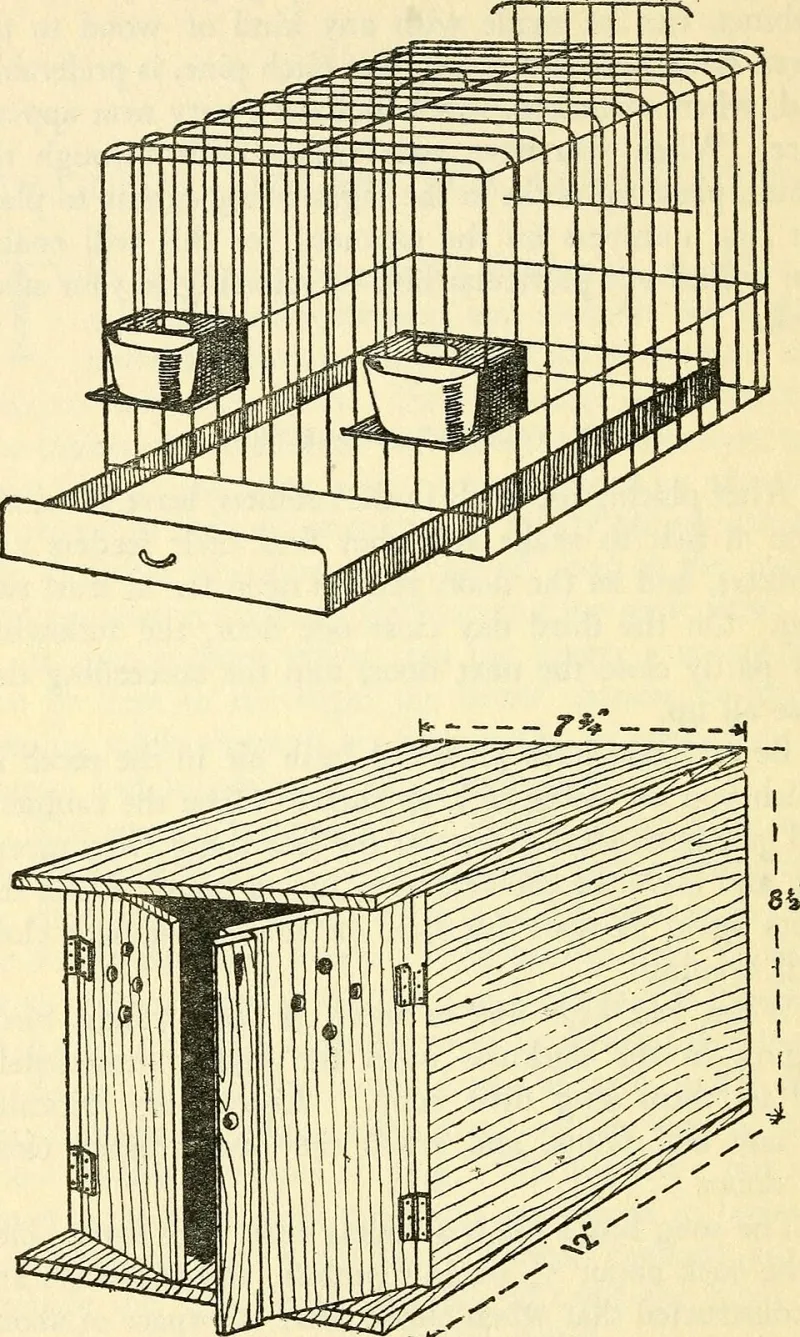
Photo: Internet Archive Book Images, No restrictions, via Wikimedia Commons
There's a unit on my local high street that's been a betting shop since before I was born. It's had three different chains' names above the door, but it's always been the same place, really: the same faded carpet, the same hum of the four-horse racing channel, the same bloke propped up by the till arguing about the 3:15 at Ascot. Last month, the shutters went down and stayed down. There's a vape shop moving in.
This story is repeating itself all over Britain. Betting shop numbers have been falling steadily for the best part of a decade — well before the FOBT stake cuts, mind, though that certainly accelerated things. Rents go up, margins get squeezed, and the arithmetic stops working. For the first time in living memory, some high streets now have more barbers than bookies, which depending on your view is either progress or a genuine cultural loss.
The Shop Was the Product
Here's the thing people outside the world of gambling don't always grasp: plenty of the regulars weren't really there for the betting. They were there for the shop.
A betting shop was one of the few places left where a certain type of person — often older, often on their own — could pass an hour in warm, dry company without anyone asking them to buy anything. A £2 each-way bet on something at Wolverhampton was, functionally, the price of admission. The racing gave you something to talk about with strangers. The staff knew your name. There's a term of art for this kind of place — a "third space" — and the betting shop filled that role for a lot of people who had nowhere else to go.
The closures, then, aren't just a commercial story. They're a social one. And like most social stories, the answers are messier than either the industry or its critics like to admit.
Who Doesn't Miss It
Let's not romanticise the place entirely. Plenty of people are relieved to see the bookie go. For anyone who's struggled with gambling, a shop on the way to the bus stop is a temptation with the lights left on. Families of problem gamblers have spent years pointing out that the shop window — free entry, open all hours, no questions asked — is a genuinely poor fit for a high street.
And honestly, the product itself wasn't much to write home about. The fixed-odds terminals dominated the floor for years, taking more money than the racing and the dogs combined, and their eventual stake reduction was the beginning of the end for many shops' viability. If your business model depends on machines that let people lose £100 a spin, you've built something fragile — and arguably something that deserved to be fragile.
So Where Does Everyone Go?
Online, mostly. And this is where it gets interesting for those of us who write about managing money in gambling.
The shop regular who moves to an app loses the natural brakes that came with the physical experience. In a shop, you have to walk there. You have to queue. You have to hand over cash, physically, and when the wallet's empty, you're done. The shop closed at a set time. There was a built-in finish to the evening.
An app has none of that. It's 24/7, it takes cards and bank transfers, and the money never quite feels real. For the casual punter, that's fine — a tenner on a Saturday acca is a tenner wherever it's placed. But for the person who relied on the shop's structure to keep their habit in check, the transition can be rough. This is exactly why we bang on about setting deposit limits, using reality checks, and deciding your stake before you open the app rather than after. The old shop did that for you. The new shop won't.
A Practical Word for the Recently Displaced
If your local has shut and you're migrating online, a few things worth doing:
- Set a deposit limit on day one, before you've placed a bet, not after a bad week.
- Separate your gambling money from your main account — a dedicated pot with a hard ceiling does what a cash wallet used to do.
- Pick your moments. The shop had opening hours; recreate them. Decide when you bet and when you simply don't.
- Know where the exit is. GAMSTOP and account closures exist and work. There's no shame in using them.
The High Street Moves On
Will the betting shop be mourned like the local pub? Probably not in the same way — the pub had decades more goodwill and a broader clientele. But for a certain generation of punter, the loss is real, and the replacement (a phone in your pocket, alone, at any hour) is a genuinely different experience, not just a convenient one.
The shops will keep closing. The customers will keep moving. The least we can do is make sure that when they arrive online, they know how to look after their bankroll better than the shop floor ever asked them to.