March Madness, Racing Edition: Getting Through Festival Season Without Wrecking Your Bankroll
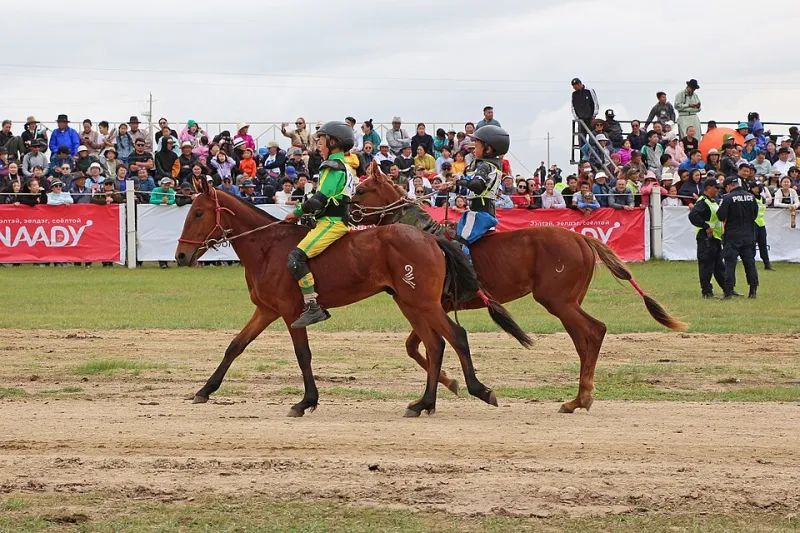
Photo: Bernard Gagnon, CC0, via Wikimedia Commons
There's something about March that turns otherwise sensible punters into lunatics. The sun starts peeking out, the Cheltenham roar echoes down the Cotswolds, and suddenly everyone from your postman to your auntie has a 'banker' in the 4.10. It's brilliant — and it's also the time of year when more betting bankrolls go up in smoke than any other.
So before the tapes go up, let's talk about how to actually enjoy festival season without spending April regretting it.
Why Festival Betting Is Different
A normal Saturday at Ascot is one thing. Cheltenham is four days of seven-race cards, competitive fields of 20-plus runners, and a betting market that moves faster than a Jonbon chase. The Grand National a few weeks later adds 40 runners and a national sweepstake culture that makes everyone an expert for one afternoon.
The danger isn't the racing itself — it's the volume. If you normally have two bets a week, festival week can tempt you into twenty. Multiply that by average stakes and you can easily triple or quadruple your usual outlay without noticing.
Set a Festival Bankroll, Not a Daily One
Here's the approach that works: decide your total festival budget before the first day, treat it as one pot, and divide it across the days and races you actually care about.
Say you've got £60 for Cheltenham week. That's not £60 per day — that's £15 a day, or roughly £2 a race. Sounds stingy, but it means you're still standing on Gold Cup Friday with money left to have a proper interest in the biggest race of the week.
Two practical rules:
- Never chase a losing day. Day one goes wrong, that's it. Tomorrow's budget stays tomorrow's budget.
- Withdraw anything you don't need. If you're up after two days, take the profit out. Festival euphoria is the fastest way to give it back.
Each-Way Value: The Novice's Best Friend
Big festival handicaps are chaos — and chaos is where each-way betting earns its keep. In a 20-runner handicap, bookmakers paying four or five places are essentially giving you a head start.
The basic idea: backing a horse each-way at, say, 12/1 with generous place terms means you profit if it finishes in the frame, even without winning. In wide-open races like the Cheltenham handicaps or the National itself, the place part of the bet is often the smarter play than trying to nail the winner outright.
A quick tip: compare place terms across bookies before the meeting. Some pay an extra place on festival handicaps as a promotion — that difference matters enormously over a week.
Reading the Form Card Without a Degree
You don't need to be a professional punter, but a few things are worth checking:
- Course form. Cheltenham is a unique track — the stiff uphill finish catches out plenty of horses who've never seen the place. Horses with proven Cheltenham wins deserve a look.
- Going preference. March ground can be soft or good depending on the weather. A horse that needs fast ground in a mud-fest is in trouble.
- Recent runs. Festival races are targets — look for horses that have been laid out for this specifically, often shown by a gap since their last run combined with a drop in the weights.
- The trainer angle. Certain yards peak at Cheltenham every single year. It's not a coincidence; it's planning.
You don't have to do this for all 28 races. Pick three or four races you actually fancy and study those properly.
Avoiding the Hype Bets
Every March, the same traps appear:
- The 'everyone's on it' favourite. If the whole pub is piling into a short-priced favourite because of one flashy trial win, the value has already gone.
- The lucky name National bet. Backing a horse because your mate shares its name is fine for a quid sweepstake. It's not a strategy for £20.
- The acca monster. A six-leg festival accumulator at 500/1 is a lottery ticket, not a bet. If you want one, stake accordingly — 50p, not £10.
- Boosted odds FOMO. Price boosts are marketing. They're fine if you'd have backed it anyway; they're not a reason to bet on something you know nothing about.
The National: Fun First, Sense Second
The Grand National deserves its own mention because the whole country bets on it, including people who haven't placed a bet since last April. If that's you — welcome, and enjoy it. Just keep the stake to what you'd spend on a night out, don't try to cover half the field, and if you want a longer interest in the race, each-way on a couple of horses at 20/1+ is a far better use of a fiver than ten £1 win bets on names you like.
The Bottom Line
Festival season is the best fortnight in the British racing calendar, and there's no shame in having a flutter on it. The trick is treating it like a night out rather than an income stream: a fixed budget, a handful of races you've actually looked at, each-way cover in the big fields, and the discipline to walk away when the day's gone wrong.
Do that, and whether your horse wins or not, you'll still have something left in the pocket when the buses home are running. That's a better festival result than most.