Price Boosts at the Festival: Reading the Fine Print Before You Pile In

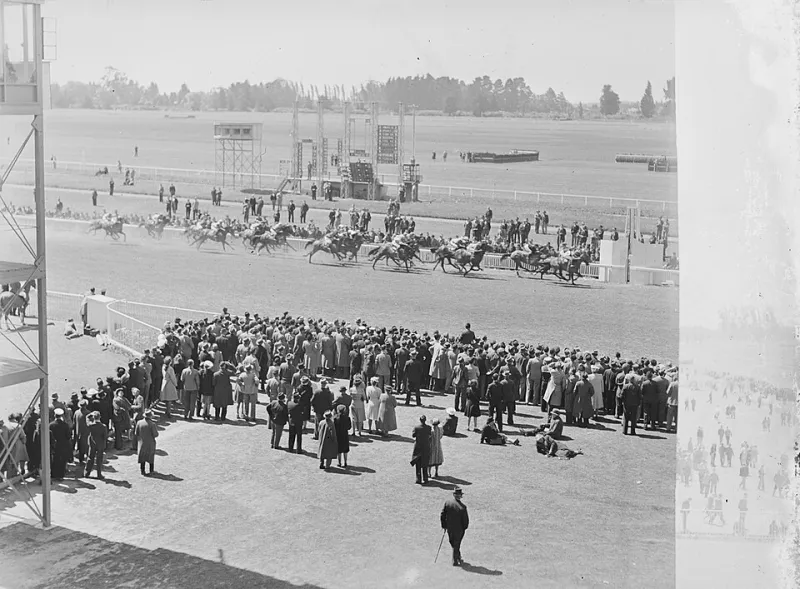
Photo: Bernard Gagnon, CC0, via Wikimedia Commons
Festival week brings out the biggest crowds in British racing — and the biggest price boosts in the bookmaking calendar. Scroll your app on the morning of the Champion Hurdle and you'll see it: 'Back the favourite at 5/1, enhanced from 7/2!' Sounds generous. Sometimes it is. Frequently, it isn't. Let's dig into why.
The Anatomy of an Enhanced Price
A price boost works by taking a horse's genuine market price and inflating it — usually by a point or two. The bookmaker can afford this because they attach conditions that claw the value back. The three you'll see most often around Cheltenham, Aintree and Ascot are:
- Stake caps — commonly £10 or even £5 maximum, sometimes restricted to new customers only
- Free bet returns — winnings paid as a free bet rather than cash, with the stake not returned
- Single-line restrictions — no cashing out, no combining with other offers, and sometimes excluded from best odds guaranteed
That last point is the sneaky one, because it's the term most punters never check.
The Maths, Worked Out
Take a hypothetical example from a past festival. Suppose a well-fancied runner is 7/2 across the market, and one bookie offers 9/2 'enhanced' — but winnings over £10 are paid as a free bet.
Bet £10 at 9/2 and the horse wins: you'd normally receive £45 profit plus your £10 stake. With the free bet clause, you get £10 cash plus a £35 free bet. Use that free bet on a 2/1 shot and the stake isn't returned, so you pocket £70 from £35. Total return: £80 cash from your original £10 stake.
Now compare the straight route: £10 at 7/2 with best odds guaranteed, and the SP drifts to 5/1. You're paid at 5/1 — £50 profit plus your £10 stake back. That's £60 in cash, no strings, and BOG has quietly outperformed the 'enhanced' price once you factor in the haircut on the free bet.
Run the same comparison with a bigger stake and the gap widens further, because the boost cap bites harder the more you stake. A £5 boost at 9/2 versus £50 at BOG-boosted SP isn't remotely a fair fight.
When Boosts Are Actually Worth Taking
This isn't a piece of pure cynicism — some boosts are genuinely good. The tell-tale signs:
- Cash returns, not free bets. If winnings land as withdrawable cash, the boost is what it says on the tin.
- Decent stake limits. A £25 cap is workable; a fiver is a marketing gimmick.
- Boosts that beat the BOG safety net. If the enhanced price is several points above the market and the horse is likely to start shorter, you're ahead even without odds protection.
The trouble is that the worst-value boosts get the loudest promotion. The genuinely generous ones tend to sit quietly in the 'offers' tab without a banner.
Festival Week Strategy: Three Habits
- Keep accounts with BOG at the firms you use. During the four days of Cheltenham, prices move constantly, and best odds guaranteed is effectively free insurance on every bet you place.
- Read the boost terms before you tap. Two lines of small print — free bet conversion and stake cap — tell you 90% of what you need to know.
- Don't chase the headline. A 12/1 boost on a 10/1 shot looks great until you notice it's £1 max stake for new customers in Guernsey. If an offer needs that much explanation, it's designed for the spreadsheet crowd, not the casual punter.
The Bottom Line
Enhanced odds around the big meetings are a legitimate part of the festival experience, and occasionally they're the best price in town. But more often than not, a boring old account with best odds guaranteed — used consistently across the week — beats the flashy boosts once the terms are accounted for. Do the comparison before the tapes go up, not after.